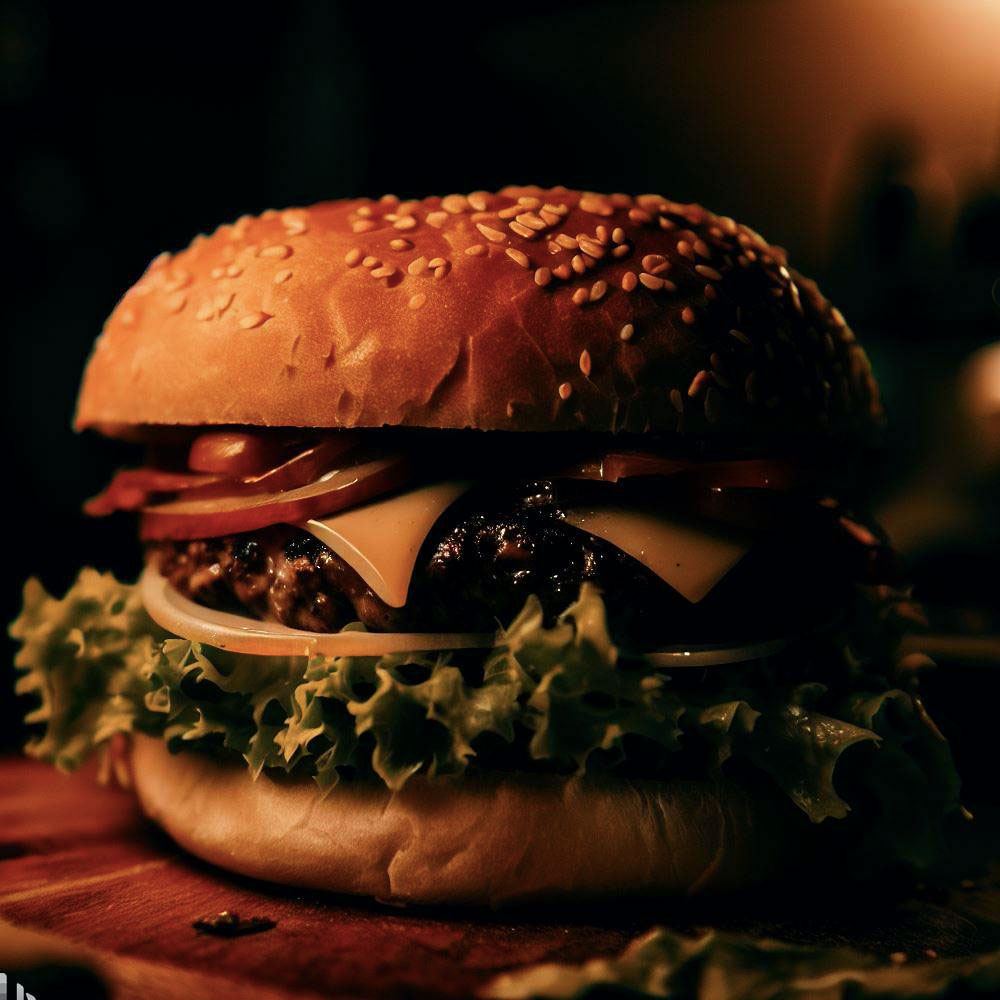
10 Tips for Capturing Stunning Food Photography
Capturing stunning food photography requires a blend of skill and creativity. Here are 10 tips to elevate your food photography game:
- Natural Lighting: Aim to shoot in natural light whenever possible. It brings out the vibrant colors and textures of the food. Position your setup near a window or outdoors during the golden hour for the best results.
- Use a Tripod: To avoid camera shake and capture the perfect angles, invest in a decent tripod. This tool allows for precise framing and stability, especially in low light conditions.
- Mind the Background: A cluttered background can detract from the food. Use simple, clean backdrops to make your dishes stand out. Textured surfaces, like wooden boards, can also add character to your shots.
- Styling is Key: Take time to style your food before shooting. Use fresh herbs, colorful garnishes, or utensils to create an appealing scene. Don't be afraid to experiment!
- Experiment with Angles: Different dishes require different angles for the best representation. A flat lay can work wonders for pastries, while a side angle is perfect for layered foods. Change it up to keep your shots dynamic.
Continuing with our food photography tips, consider the following strategies to enhance your images:
- Focus on Details: Macro shots can showcase intricate details like textures and condensation on glasses. Get close to the food to highlight these aspects, making it more enticing.
- Edit Wisely: Post-processing can elevate your images significantly. Use editing software like Adobe Lightroom or Photoshop to adjust brightness, contrast, and saturation without overdoing it.
- Consistency is Crucial: Aim for a consistent style that reflects your brand. Whether it’s the color palette or the type of light, maintaining a cohesive aesthetic helps your blog stand out.
- Learn from the Experts: Check out resources like Fstoppers and Food Photography Blog for more in-depth tips and techniques.
- Practice, Practice, Practice: Like any skill, the more you shoot, the better you get. Don’t hesitate to try new recipes and styles regularly to refine your photography skills.
The Art of Plating: How to Make Your Dishes Look Irresistible
Plating is not just an afterthought; it is an integral part of culinary artistry that can elevate your dining experience. The way a dish is presented can influence our perception of taste, making it essential to master the art of plating. To start, consider the color contrast and arrangement. A visually appealing plate often incorporates a variety of colors, shapes, and textures. Utilizing the rule of thirds can help create a balanced plate, guiding the viewer's eye naturally. For inspiration, check out Serious Eats, which explores how plating can transform even the simplest meals.
Additionally, the choice of plate plays a crucial role in the overall presentation. White plates are often a safe choice, as they allow the colors of the food to pop, while darker plates can create a dramatic effect. Don't forget about garnishing; a sprig of fresh herbs or a drizzle of sauce can take a dish from ordinary to extraordinary. Always remember to keep it simple—too much on a plate can overwhelm the senses. To enhance your plating skills, consider exploring guides such as Food & Wine, which offers expert tips on creating stunning presentations that make your dishes look utterly irresistible.
Why Lighting Matters: Tips for Perfect Food Shots
Why Lighting Matters in food photography cannot be overstated, as it plays a critical role in establishing the mood and highlighting the natural colors of the ingredients. Proper lighting can transform an ordinary dish into a captivating visual feast. Natural light is often the best choice for food photography; aim to shoot near a window where soft, diffused light can illuminate your plate. To learn more about harnessing natural light effectively, check out Digital Photography School.
When you're working with artificial lighting, be sure to use soft light to keep shadows to a minimum and prevent harsh highlights. Consider using a light tent or diffusers to soften the light that hits your food. Experimenting with light direction can yield stunning results; side lighting can add depth, while overhead lighting creates a clean look. For further techniques on lighting setups, refer to PhotographyTalk.